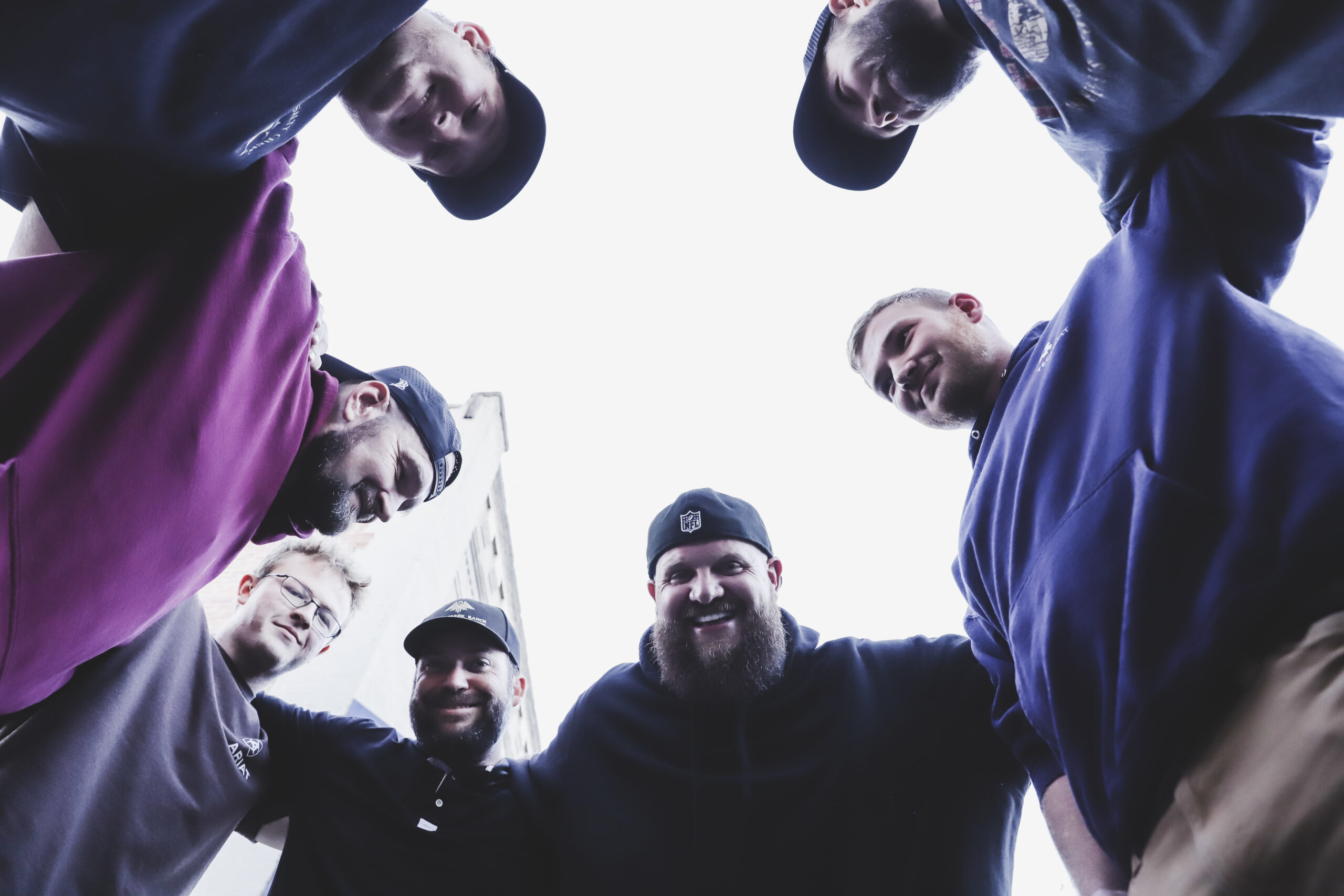

One of the most powerful and consistent findings in addiction research is also one of the most human: people recover better together. Community connection — the experience of belonging to something larger than yourself, of being known and supported by others who care about you — plays a significant role in long-term sobriety. Understanding why this is true, and how to cultivate it, can be a valuable part of any recovery journey.
Why Isolation Is a Significant Risk in Recovery
For many people, addiction developed in part as a response to disconnection. Whether due to trauma, social anxiety, family dysfunction, or the gradual withdrawal that often accompanies substance use, isolation and addiction tend to reinforce each other. As substance use increases, relationships frequently deteriorate — trust is broken, communication breaks down, and the person struggling often finds themselves increasingly alone.
Early recovery often involves a kind of social rebuilding. Old using relationships may no longer be safe or supportive. Family relationships may still be strained. The social confidence that some people found in substances is suddenly absent. This period of rebuilding can feel isolating in its own way — even when the substance is no longer present.
Isolation in recovery is dangerous because it removes the natural check on negative thinking that community provides. When you’re alone with your thoughts, old patterns can take hold more easily. Cravings intensify in isolation. The narrative that sobriety isn’t worth it, or that you don’t belong anywhere, grows louder without other voices to counterbalance it.
What Community Connection Offers
Community connection in recovery isn’t just the opposite of isolation — it’s an active, generative force that supports sobriety in specific, meaningful ways.
Shared Identity and Belonging
When you’re part of a recovery community, you belong to something. The shared identity of “someone in recovery” — particularly when that identity is held with pride and purpose rather than shame — creates a foundation of belonging that’s deeply stabilizing. You’re not alone in your experience. Others around you understand the journey you’re on because they’re on it too.
Accountability Without Judgment
Community creates a form of gentle, relational accountability that’s different from formal monitoring or supervision. When people care about you and know your story, there’s a natural motivation to show up for them — and for yourself. This isn’t about fear of consequences; it’s about not wanting to let down people who believe in you. That kind of accountability is powerful because it comes from relationship, not obligation.
Shared Experience as a Source of Hope
Hearing from others who have maintained sobriety through real difficulties — job loss, relationship stress, grief, major life transitions — provides something clinical information can’t: proof that long-term recovery is possible. When you see the person next to you at a meeting or a group outing still standing after years of hard work, that’s living evidence that you can do it too.
Reciprocal Support
One of the most meaningful aspects of recovery community is the opportunity to give support, not just receive it. At some point in the journey, the person who was once most in need of guidance becomes the one offering it to someone newer in recovery. This reciprocal dynamic — the idea that your experience has value and that you have something to offer — is profoundly healing. It transforms recovery from a passive process of receiving help into an active participation in something meaningful.
Building Community in Recovery: Practical Ways to Connect
Community connection doesn’t just happen — it requires intentional effort, especially early in recovery when social rebuilding is just getting started. Some pathways that people in recovery have found meaningful include:
- Recovery support groups: Whether 12-step programs, SMART Recovery, or other peer support groups, regularly attending meetings creates consistent exposure to community and shared experience.
- Structured living communities: Living with others who are in recovery and committed to the same goals creates built-in community and daily connection.
- Sober recreational activities: Group outings, fitness activities, sports leagues, and other social activities that don’t center around substances are a powerful way to build connections through shared experiences.
- Volunteering and service: Giving back to the broader community — whether through formal volunteer work or informal service within a recovery community — builds connection, purpose, and self-worth simultaneously.
- Recovery coaching: A recovery coach who has lived experience provides both individual support and a link to a broader recovery community network.
Community at Hope House in Nampa, Idaho
At Hope House, we believe that community is not a nice-to-have in recovery — it’s essential. Our program in Nampa, Idaho is built around the idea that people heal in relationship with one another. The structured living environment we provide isn’t just about the roof overhead; it’s about the people under it and the connections that form between them.
Our residents participate in regular group activities, support groups, and community outings designed to build genuine bonds. We also incorporate fitness as a community activity — shared physical challenges are a powerful way to build trust, resilience, and connection at the same time. Our recovery coaches are part of that community too, walking alongside residents not just as professionals but as people who care.
We’ve seen what community can do for people who once felt entirely alone. The transformation — from isolation and shame to belonging and purpose — is one of the most beautiful things about recovery.
You Don’t Have to Do This Alone
If you’re in recovery or supporting someone who is, we want you to know that connection is available. Community is out there, and it matters more than almost anything else in the long game of sobriety.
Explore what Hope House has to offer or reach out to our team. Whether you’re just beginning your recovery journey or looking to strengthen your support system, we’d be glad to connect with you.