
Recovery from addiction is a deeply personal journey — but it rarely happens in isolation. The environment in which someone pursues recovery has a profound effect on their outcomes. That’s why structured living has become a recognized and widely respected component of long-term recovery support. If you or someone you love is in recovery, understanding what structured living means — and why it works — can be an important step in building a lasting foundation for sobriety.
What Is Structured Living in Recovery?
Structured living refers to a residential environment specifically designed to support people in recovery. It’s more than just a place to stay. A structured living environment combines safe, sober housing with a framework of daily routines, expectations, accountability, and community that helps residents rebuild their lives in a consistent, supportive setting.
The “structure” in structured living isn’t about rigid rules for their own sake. It’s about providing the scaffolding that many people in recovery genuinely need while they work on rebuilding healthy habits, relationships, and a sense of self-direction. Many people entering recovery are coming from chaotic circumstances — fractured relationships, financial instability, and years of patterns that weren’t serving them. Structured living offers an alternative: a stable, predictable environment where recovery is the shared priority.
What Makes a Structured Living Environment Different
Not all sober housing is structured living. The difference lies in the intentionality of the support provided. In a structured living setting, residents typically:
- Follow a consistent daily schedule, including wake times, mealtimes, chores, and curfews
- Participate in regular house meetings or community check-ins
- Engage in programming such as recovery groups, case management sessions, or life skills workshops
- Maintain accountability through regular check-ins with staff or coaches
- Contribute to the community through shared responsibilities
- Support one another through shared experience and peer accountability
This combination of structure, support, and community is what distinguishes a structured living program from simply renting a room in a sober house. The environment is intentionally designed to reinforce recovery values and give residents the daily practice of living sober.
Why Structure Matters in Recovery
One of the most common challenges people face when leaving a more intensive treatment setting — like inpatient rehab or a residential program — is the sudden absence of structure. When treatment ends, the day is suddenly open-ended. That unstructured time can be a significant relapse risk, particularly in the early months of recovery when the brain and nervous system are still adjusting.
Structure helps address this by filling the day with meaningful, constructive activity. It reduces idle time and the situations where cravings are most likely to intensify. It also builds habits — and habit formation is one of the most powerful tools in long-term recovery. When waking up sober, making your bed, attending a group, and contributing to your household are just what you do every day, those behaviors become part of your identity over time.
There’s also the element of accountability. When you’re living in a structured environment with peers who share your commitment to recovery and staff who are invested in your progress, you’re less likely to isolate — a known risk factor for relapse. The community around you becomes both a support system and a gentle, consistent form of accountability.
Structured Living at Hope House in Nampa, Idaho
At Hope House, we offer structured living as a cornerstone of our recovery support model. Our program in Nampa is built around the belief that recovery is a process that requires the right environment, the right relationships, and the right daily habits — and that these things take time to develop.
Our structured living program includes individualized case management, recovery coaching, regular group meetings, community activities, and fitness opportunities. We believe that healing is holistic — it involves not just abstinence from substances but the gradual rebuilding of a purposeful, connected life.
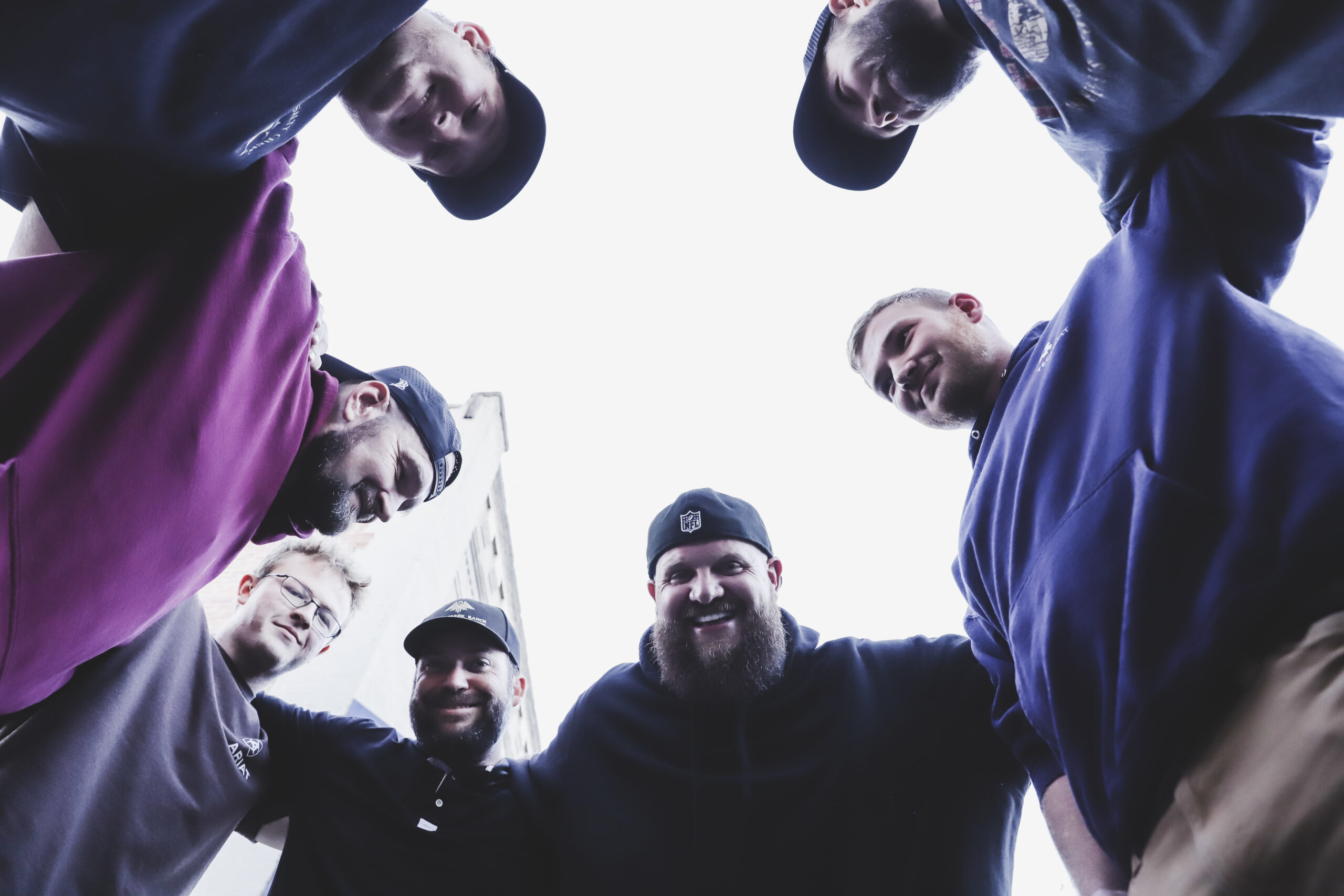
Residents in our program aren’t just coexisting in the same building. They’re participating in a community with a shared commitment to growth and recovery. That sense of shared purpose is one of the most powerful things a structured living environment can offer.
Is Structured Living Right for You or Your Loved One?
Structured living is often a strong fit for people who:
- Are transitioning out of inpatient treatment or a higher level of care and need ongoing support
- Have tried to maintain sobriety independently and found it difficult without community and accountability
- Are in a living situation that doesn’t support their recovery and need a safer, sober environment
- Want the combination of independence and support that a structured program offers
- Are committed to recovery but recognize they need a framework to help sustain it day to day
Structured living is not a one-size-fits-all solution, and it works best when it’s the right fit for the individual’s needs and readiness. If you’re uncertain whether this type of program might be a good match, reaching out to speak with our team is always a good first step.
Taking the Next Step
Recovery is possible. For many people, the journey is made significantly more sustainable by having the right environment and community around them during the critical early and middle stages of sobriety. Structured living exists to provide exactly that.
If you’re interested in learning more about Hope House’s structured living program in Nampa, we invite you to explore our program or reach out to our team. We’re here to answer your questions and help you figure out whether our community might be the right next step.