Life Skills Development in Recovery: Preparing for Independent Living
Recovery from addiction involves far more than simply stopping substance use. For many individuals, active addiction disrupted or prevented the development of essential life skills necessary for independent, productive living. Structured recovery programs that emphasize life skills development prepare residents for successful transition back into the community and long-term self-sufficiency.
Why Life Skills Matter in Recovery
Active addiction often derails normal adult development. Years spent focused on obtaining and using substances leave little energy for learning to manage finances, maintain employment, cook nutritious meals, or navigate healthy relationships. When substance use stops, these skill gaps become apparent and can threaten recovery if not addressed.
Relapse often occurs not because of cravings alone, but because individuals lack the skills to handle everyday challenges without substances. Stress from financial problems, employment difficulties, or relationship conflicts can overwhelm someone who hasn’t developed healthy coping mechanisms. Life skills training provides practical tools for navigating these challenges successfully.
At Hope House in Nampa, Idaho, life skills development is integrated into the recovery process. Residents don’t just work on staying sober—they actively build the competencies needed for successful independent living.
Financial Management and Employment Skills
Financial chaos often accompanies addiction. Unpaid bills, damaged credit, lack of savings, and limited work history create barriers to stable housing and independent living. Recovery programs that address financial literacy help individuals understand budgeting, banking, credit repair, and saving for the future.
Employment skills development includes resume building, interview preparation, workplace communication, and understanding employer expectations. For those with criminal records or significant employment gaps, guidance on addressing these issues with potential employers is invaluable. Some programs provide vocational training or educational support to expand career possibilities.
The Substance Abuse and Mental Health Services Administration identifies employment as a critical factor in sustained recovery. Meaningful work provides structure, income, purpose, and social connection—all protective factors against relapse.
Health and Wellness Management
Addiction often damages physical health through poor nutrition, inadequate sleep, lack of exercise, and neglect of medical care. Recovery provides an opportunity to rebuild health, but this requires learning self-care skills that may never have been developed.
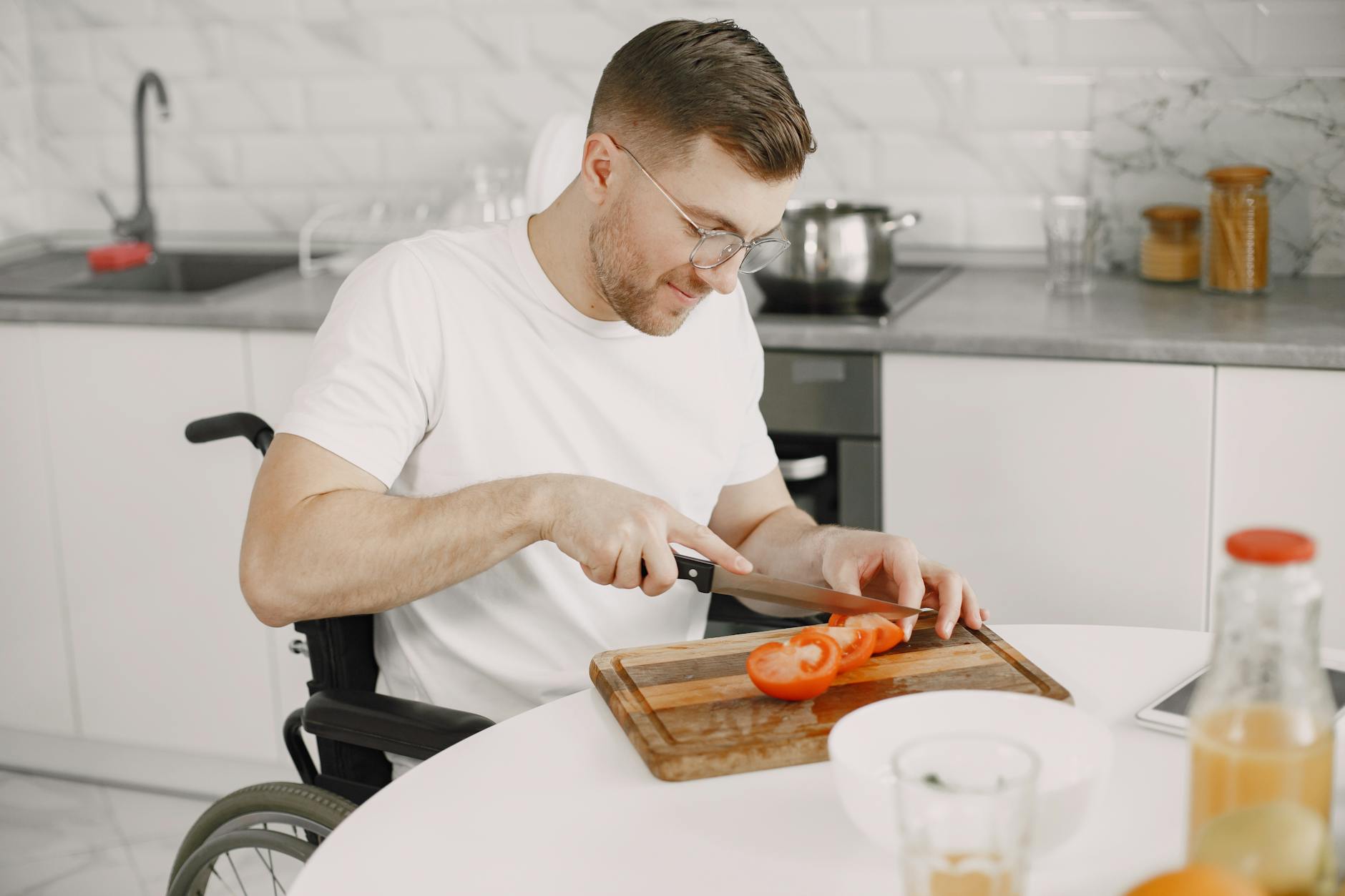
Nutrition education helps individuals understand how to plan balanced meals, shop for healthy food on a budget, and prepare simple, nutritious dishes. Physical wellness programming might include exercise instruction, stress reduction techniques, and education about the connection between physical and mental health.
Medical self-advocacy is another crucial skill. Learning to schedule appointments, communicate with healthcare providers, manage medications, and navigate insurance systems empowers individuals to take charge of their health. For those with co-occurring medical or mental health conditions, these skills are particularly important.
Communication and Relationship Skills
Healthy relationships require skills that addiction often undermines. Communication training teaches assertiveness, active listening, conflict resolution, and expressing needs appropriately. These skills apply to family relationships, friendships, workplace interactions, and romantic partnerships.
Setting and maintaining boundaries is essential for protecting recovery. Many individuals in early recovery struggle to say no, whether to requests for their time, inappropriate behavior from others, or offers of substances. Learning to establish and communicate boundaries protects both sobriety and emotional well-being.
Family dynamics often require particular attention. Family therapy and education help repair damaged relationships and establish new patterns of interaction that support rather than undermine recovery. Understanding family roles, codependency patterns, and healthy family functioning provides context for navigating these complex relationships.
Time Management and Organization
Addiction often creates chaotic, unstructured lifestyles where days revolve around substance use. Recovery requires learning to structure time productively, balancing work, recovery activities, self-care, and leisure. Time management skills help individuals set priorities, create schedules, and follow through on commitments.
Organizational skills extend to managing living spaces, keeping track of appointments and responsibilities, and maintaining important documents. These practical competencies reduce the daily stress that can accumulate and threaten recovery.
Goal setting and planning help individuals envision and work toward futures they want. Breaking long-term goals into manageable steps, tracking progress, and adjusting plans when necessary are skills that support both recovery and general life success.
Housing and Independent Living Skills
Transitioning from structured recovery housing to independent living requires preparation. Understanding lease agreements, tenant rights and responsibilities, and how to maintain positive landlord relationships helps prevent housing instability that could trigger relapse.
Practical household management skills include cleaning and maintenance, basic home repairs, and managing utilities. While these may seem mundane, the confidence that comes from being able to manage one’s own living environment supports self-esteem and independence.
For many individuals, structured living environments like Hope House provide the intermediate step between treatment and full independence. These programs offer increasing autonomy as residents demonstrate readiness, allowing gradual transition rather than abrupt change.
Coping Skills and Emotional Regulation
Perhaps the most critical life skills for recovery are those related to managing emotions and stress without substances. Coping skills training teaches healthy alternatives to substance use when facing difficult feelings or challenging situations.
These skills include identifying and expressing emotions appropriately, recognizing triggers and warning signs, using relaxation techniques, and accessing support when needed. Mindfulness practices help individuals stay present rather than being overwhelmed by past regrets or future anxieties.
Problem-solving skills enable individuals to address challenges systematically rather than feeling overwhelmed. Breaking problems into manageable parts, generating options, evaluating consequences, and implementing solutions are competencies that apply across all life domains.
The Ongoing Journey of Growth
Life skills development doesn’t end when someone leaves a structured program. Recovery is a lifelong journey of continued growth and learning. The foundation built during early recovery provides the basis for ongoing development, but maintaining and expanding skills requires continued effort and willingness to learn.
If you or someone you love is seeking recovery support that includes comprehensive life skills development, contact Hope House to learn about their programs in Nampa, Idaho. Building a foundation of practical skills alongside sobriety creates the best chance for lasting success.