When a man finishes detox or a treatment program, families often feel both relief and dread. The crisis is over, but a hard question remains: where does he go next? For many Treasure Valley families — and for out-of-state parents and spouses sending a loved one to Idaho — the next step is structured recovery housing. Knowing what to look for can turn a shaky start into a real foundation.
Why Structured Housing Matters After Treatment
Treatment teaches a man how to stop using. Structured living teaches him how to live. The gap between those two skills is where most relapses happen.
A 30 or 60-day program can break a pattern. But it cannot rebuild a daily routine, a work history, or the trust he has broken at home.
The Scaffolding of Recovery
Transitional housing in Idaho fills that gap with structure. That means curfews, drug testing, work expectations, house meetings, and shared accountability with other men doing the same work.
For families, that structure is not punishment. It is the scaffolding that lets recovery hold weight.
Questions to Ask Before You Commit
Not every sober living house works the same way, and the differences matter. Before placing a loved one anywhere, ask specific questions. How often is drug and alcohol testing done, and is it observed? What happens when a resident relapses? Is the home men-only or co-ed, and why? Who lives on site, and what are their qualifications? What does a typical weekday look like in the first 30 days?
Watch for Vague Answers
Vague answers are a warning sign. A serious program can describe its daily rhythm, its consequences, and its rules in clear terms.
If a house cannot tell you what happens at 7 a.m. on a Tuesday, it likely is not running the kind of place your loved one needs.
What Zero-Tolerance Actually Means
The phrase “zero-tolerance” can sound harsh to a family that has already watched their son or husband struggle. But in practice, it is one of the most protective rules a recovery home can have. It means drug or alcohol use leads to removal from the house — not a warning, not probation, not a quiet talk.
That standard protects every other man in the home. It also protects your loved one from the slow drift that happens when rules bend.
Families sometimes hope for flexibility. But flexibility in early recovery is usually how people lose ground. A clear line, applied evenly, is the kindest structure a house can offer.
What the Family’s Role Looks Like
Placing a loved one in structured housing does not end your role — it changes it. Good programs include family education because the patterns around addiction rarely belong to one person alone.
Spouses, parents, and siblings often need their own work on boundaries, communication, and healthy support during this stage.
Holding the Line
Expect to be asked to hold limits you may not want to hold. That might mean not sending money, not picking him up early, or not stepping in when he faces a consequence.
These are not acts of withdrawal. They are the terms that let recovery become his to own.
Why Location and Community Matter
For local families in Nampa, Caldwell, Boise, Meridian, Eagle, Star, and Kuna, the Treasure Valley offers a recovery setting that is both connected and contained. There are enough jobs, transportation, and community resources to support real reintegration. And there is enough distance from old neighborhoods and old contacts to make a clean start possible.
A Fresh Start for Out-of-State Families
For out-of-state families, that balance is often why they choose Idaho. Placing a son or husband in a new city, away from the people and places tied to his use, gives him room to build a new identity.
The goal is not to hide him. It is to give him a setting where new habits have a chance to stick.
What Real Reintegration Looks Like
Reintegration is slower and less dramatic than families often expect. It looks like steady work, paying rent on time, going to house meetings, attending outside support groups, and rebuilding relationships at a steady pace.
It looks like a man learning to manage his own schedule, his own money, and his own conflicts without running or blowing up.
Signs of Real Progress
Progress in structured living is rarely a straight line, but it should be visible. Within a few months, you should see a clearer head, more honesty in talks, and more ownership of choices he used to deflect.
That is the work a good home is built to produce.
A Practical Next Step
If you are weighing transitional housing in Idaho for someone you love, start by writing down your questions before you make any calls. Ask about testing, accountability, family involvement, and what removal from the home looks like.
Tour the house in person if you can. Or request a video walkthrough if you are out of state. Talk with staff about how they include families in the months ahead.
Room to Rebuild
The choice to place a loved one in structured living is rarely easy. But it does not have to be made in the dark.
Clear information, honest expectations, and a program that holds the line give a man the room to rebuild — and give a family the room to breathe again.
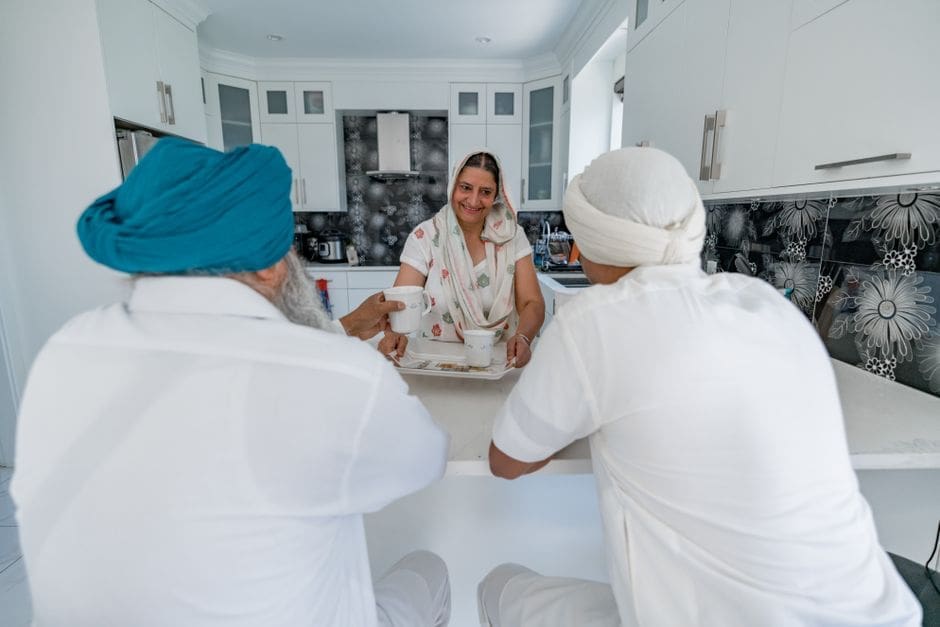
Featured image: Photo by World Sikh Organization of Canada on Pexels.