
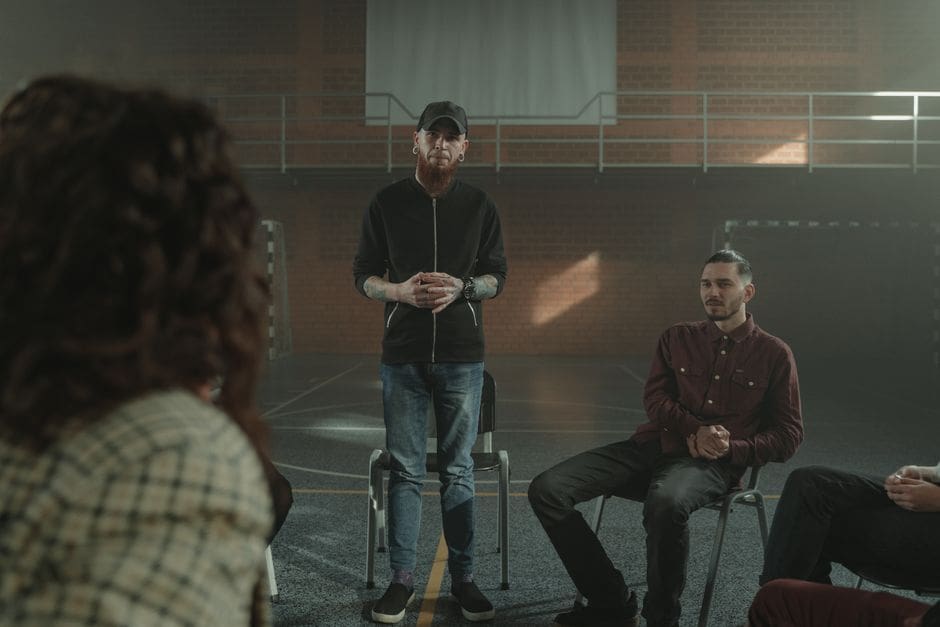
For a man leaving treatment in late spring, summer can look like a reward. The weather warms up, the calendar feels lighter, and family wants him back to “normal life.” But for many men in early recovery, that first summer is the hardest stretch they will face. The things that look like freedom — open evenings, holiday weekends, backyard cookouts — are the same things that quietly pull a new sobriety apart.
Why Summer Hits Differently in Early Recovery
Treatment gives you a tight container. Wake-up times, meals, group sessions, and lights-out are all set for you. But when that structure ends and summer begins, a man is handed long days with nothing on the schedule.
In the Treasure Valley, that can mean three months of warm evenings, river floats, barbecues, weddings, and the Western Idaho Fair. These are places where drinking is normal and old friends show up without warning.
Unstructured time is not safe for someone six or twelve weeks sober. It is a risk. Most relapse research points to the same triggers: boredom, isolation, social pressure, and overconfidence. Summer packs all four into one season.
The Family Expectations Nobody Talks About
Families often assume that finishing treatment means a man is ready to slide back into the household. Spouses want help with the kids again. Parents want him at the family reunion. Siblings want the brother they remember.
These hopes make sense. But they put the weight of coming back on someone who has not yet rebuilt the daily habits sobriety needs.
How the Slide Usually Starts
When a man tries to meet every family expectation his first summer home, meetings, sleep, sponsor calls, and check-ins get pushed aside. The slide is rarely dramatic. It looks like skipping one meeting for a cookout, then another to help with a move. Then he wakes up one Sunday unsure of when he last talked to anyone in recovery.
What Structured Living Actually Looks Like
Structured living is not a softer version of treatment. It is also not a boarding house with rules taped to the fridge. At its best, it is a daily framework that replaces the container treatment gave — without cutting a man off from the real world he needs to rejoin.
In a men’s recovery house, that framework includes set wake times, required work or job search hours, curfews, drug and alcohol testing, house meetings, and outside recovery support. It also includes smaller practices: shared meals, chores assigned and done, conflict handled face-to-face, and a house manager who notices when something feels off.
How Structured Living in Nampa, Idaho Fills the Summer Gap
A man stepping down from treatment into structured living in Nampa, Idaho does not face summer alone or unscheduled. His week has anchors. Mornings start at a set time. Work or a job search is expected, not optional. Evenings include house duties and recovery commitments, not empty hours to fill.
The Treasure Valley Advantage
The Treasure Valley setting matters here. Nampa, Caldwell, Boise, Meridian, Eagle, Star, and Kuna all offer real jobs, real recovery meetings, and real outdoor fun that does not need a drink.
A structured house gives a man access to that with guardrails. He can take a job in Meridian, attend a meeting in Boise, and still answer to a curfew and a test when he gets home. The freedom is real, but it is earned and accountable.
Accountability That Holds Through the Hardest Months
Zero-tolerance policies sound harsh from the outside. But from the inside, they are often the reason a man stays sober through his first Fourth of July weekend. When everyone in the house knows that a failed test means leaving, peer pressure works for recovery instead of against it. Nobody invites the new guy to “just one beer,” because nobody wants to be the reason he loses his bed.
Accountability also reaches the family. Structured living that includes family education gives spouses and parents a clear picture of what their loved one is doing each day. They learn what boundaries to hold and how to support recovery without carrying the work of it. That clarity cuts the friction that often builds during summer visits and holidays.
Building Life Skills While the Pressure Is On
The first summer sober is also the first summer a man practices normal adult tasks without a substance in the mix. That means managing a paycheck, keeping a vehicle running, showing up to work on time, repairing a relationship with a child, and saying no to a friend.
Structured living gives him room to fail at these things in small ways and bounce back quickly. That beats failing alone at home and turning to old coping.
By the end of a summer in a structured house, most men have a job history, a sponsor, a routine, and a track record of handling pressure without using. That is a foundation that holds up in the fall, when the newness of sobriety wears off and the real work continues.
A Practical Next Step
If you are a man leaving treatment this season, or a family member trying to decide what comes after discharge, do this today. Look honestly at the summer calendar. Count the unstructured hours. Name the events that carry the highest risk.
Then ask if the current plan — going straight home, or staying with family — gives enough daily framework to protect what was gained in treatment. If the answer is uncertain, a men’s structured living house in the Treasure Valley is worth a conversation before the first weekend in June, not after the first slip in July.
Featured image: Photo by Tima Miroshnichenko on Pexels.