Summer in the Treasure Valley slows some things down and speeds others up. Kids are out of school. Family visits pile up. July holidays pull everyone into the same backyard.
For a man in early recovery, that shift can feel like sunlight and pressure at once. For his family, the urge is to check in more, help more, or just be near him more. Those urges come from love, but they can quietly work against the structured living that keeps him steady.
Healthy connection and healthy recovery are not opposites. They just need different habits than most families are used to.
Why the Instinct to Check In Can Backfire
When a man moves from detox or treatment into structured recovery housing, the family often feels a lag. He is finally safe, finally reachable, and finally somewhere they can find him. So the urge to call daily, text hourly, or drop by is understandable. But it rarely helps.
Frequent check-ins can make his stability depend on family reassurance instead of his own routine. Family support in recovery works best when it steadies a man from the outside without doing the inner work for him. That means fewer, more intentional touchpoints, not more of them.
Understand What Structured Living Is Actually Doing
Structured living is not a holding pattern between treatment and real life. It is the real work. At HOPE House, the day is built around accountability. That includes required meetings, employment, curfews, drug testing, chores, and peer relationships that expect honesty.
Every one of those pieces teaches a man to run his own life again. So when families understand that, phone calls stop being the main event. A missed call during a work shift or a house meeting is not rejection. It is proof the program is doing what it was built to do. Families who grasp this shift almost always feel less anxious, not more.
Set a Communication Rhythm and Keep It
Predictable contact is more valuable than constant contact. A standing Sunday call, a mid-week text, and a monthly in-person visit will do more than a stream of daily messages. It gives him something to look forward to and something to be honest about, instead of something to manage around his responsibilities.
Rhythm also protects the family. Spouses and parents burn out fast when every buzz of the phone could be good news, bad news, or a request. A schedule turns communication into a calm practice instead of a nerve ending.
Navigate Summer Gatherings With a Plan
Fourth of July cookouts, family reunions, birthday parties, and long weekends at Lucky Peak are where good intentions run into old triggers. Alcohol is usually there. So are relatives who have not seen him in a while and want to talk about what happened. Both can knock a man off balance if no one has planned ahead.
Talk It Through Before the Event
Before the event, talk through the basics. Who will be there? Will alcohol be served? How long does he plan to stay? Who will he call if he needs to leave? What topics are off-limits at the table?
A short chat the day before turns a high-risk afternoon into a manageable one. If the event does not fit his current stage of recovery, skipping it is not a failure. It is structured living working the way it should.
Learn the Difference Between Support and Rescue
Support looks like showing up to a family education session, learning what accountability requires, and letting the program hold the hard lines. Rescue looks like paying a fine he earned, smoothing over a broken curfew, or pushing staff to bend a rule because he sounded down on the phone.
Recovery housing runs on zero-tolerance standards for a reason. Consequences are how a man learns that his choices belong to him. When families shield him from those consequences, they stretch out his recovery, sometimes by years. So the kindest thing a parent, spouse, or sibling can do is let the structure hold.
Take Care of the Family’s Own Recovery
Addiction reshapes a household. Even after a man enters structured living, the people who love him often still carry old patterns. That can look like hypervigilance, resentment, guilt, financial stress, or the exhaustion of years spent waiting for the next crisis. That does not resolve on its own just because he is doing better.
Al-Anon meetings, family counseling, and the family education parts of recovery programs exist for this. A spouse in Meridian or a mother in Caldwell who invests in her own healing gives her loved one something to come home to that is not the same environment he left. That is one of the most underrated forms of family support in recovery.
A Practical Next Step for This Season
If you are a family member in the Treasure Valley reading this before a summer gathering, pick one thing to change this week. Move from open-ended texting to a set weekly call. Ask your loved one what his house rules are around visits and follow them exactly. Sign up for a family education session and go, even if he is doing well.
Small, structural changes on the family’s side make it far easier for a man to keep his own structure intact. Connection is not the enemy of recovery. Undisciplined connection is. Families who learn the difference give the men they love the best chance at a recovery that lasts well past this summer.
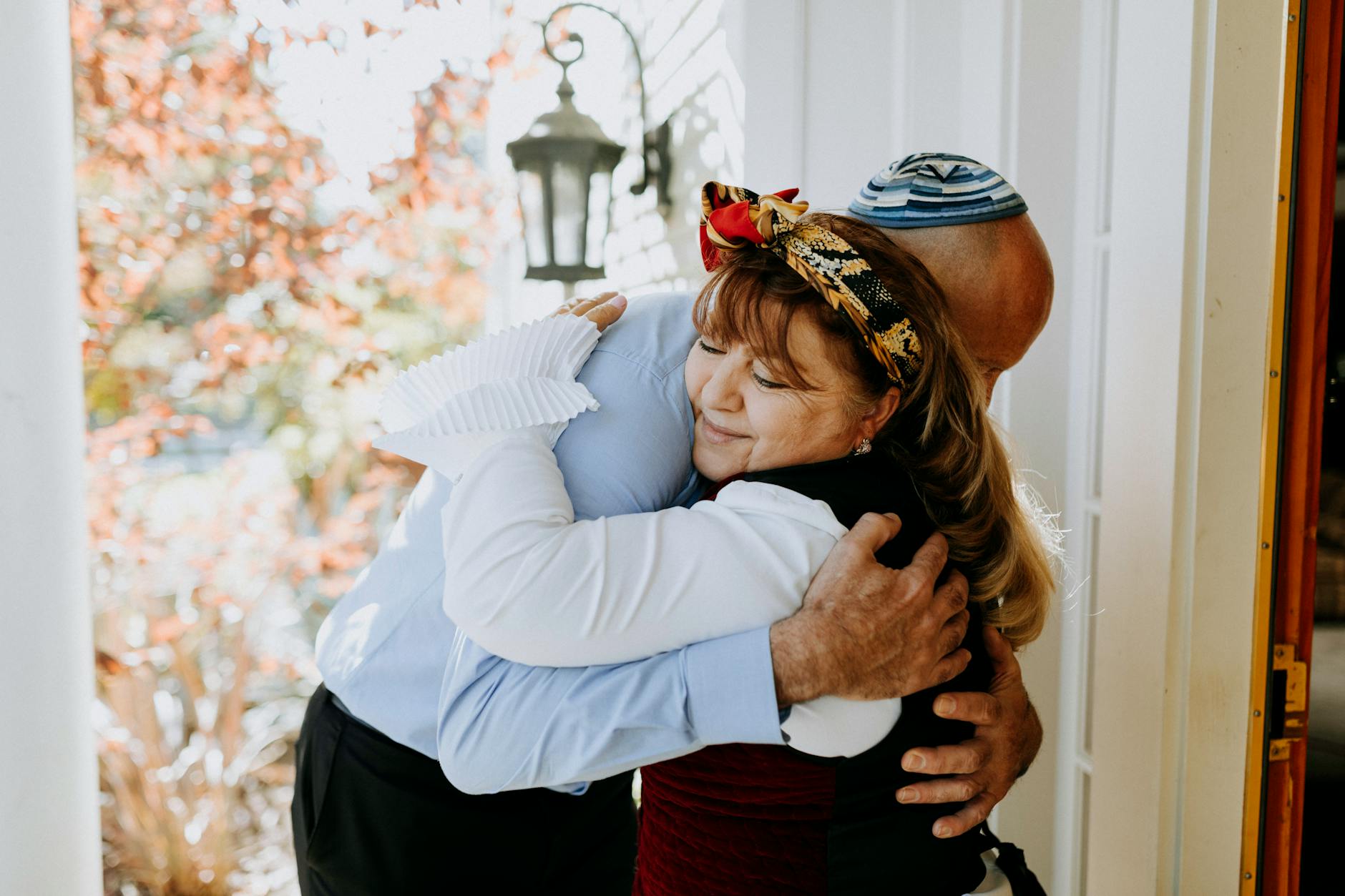
Featured image: Photo by Askar Abayev on Pexels.