Building a Support Network in Recovery: Why Connection Matters
Recovery from addiction doesn’t happen in isolation. While personal commitment and individual work are essential, the journey toward lasting sobriety is profoundly influenced by the connections we build with others. Understanding how to develop and maintain a supportive network can make the difference between struggling alone and thriving in recovery.
The Science of Connection in Recovery
Research consistently demonstrates that social connection is one of the strongest predictors of long-term recovery success. Studies published in the Journal of Addiction Medicine show that individuals with robust support networks have significantly higher rates of sustained sobriety compared to those who attempt recovery alone.
This connection isn’t merely emotional comfort—it creates biological changes that support recovery. Positive social interactions trigger the release of oxytocin and other neurochemicals that reduce stress, diminish cravings, and promote feelings of well-being. These neurochemical effects counteract the brain changes caused by addiction, literally supporting the healing process at a physiological level.
For residents at Hope House in Nampa, Idaho, structured community living provides an immediate support network. Living alongside others who understand the challenges of early recovery creates an environment where connection develops naturally through shared experience and mutual support.
Types of Support in Recovery
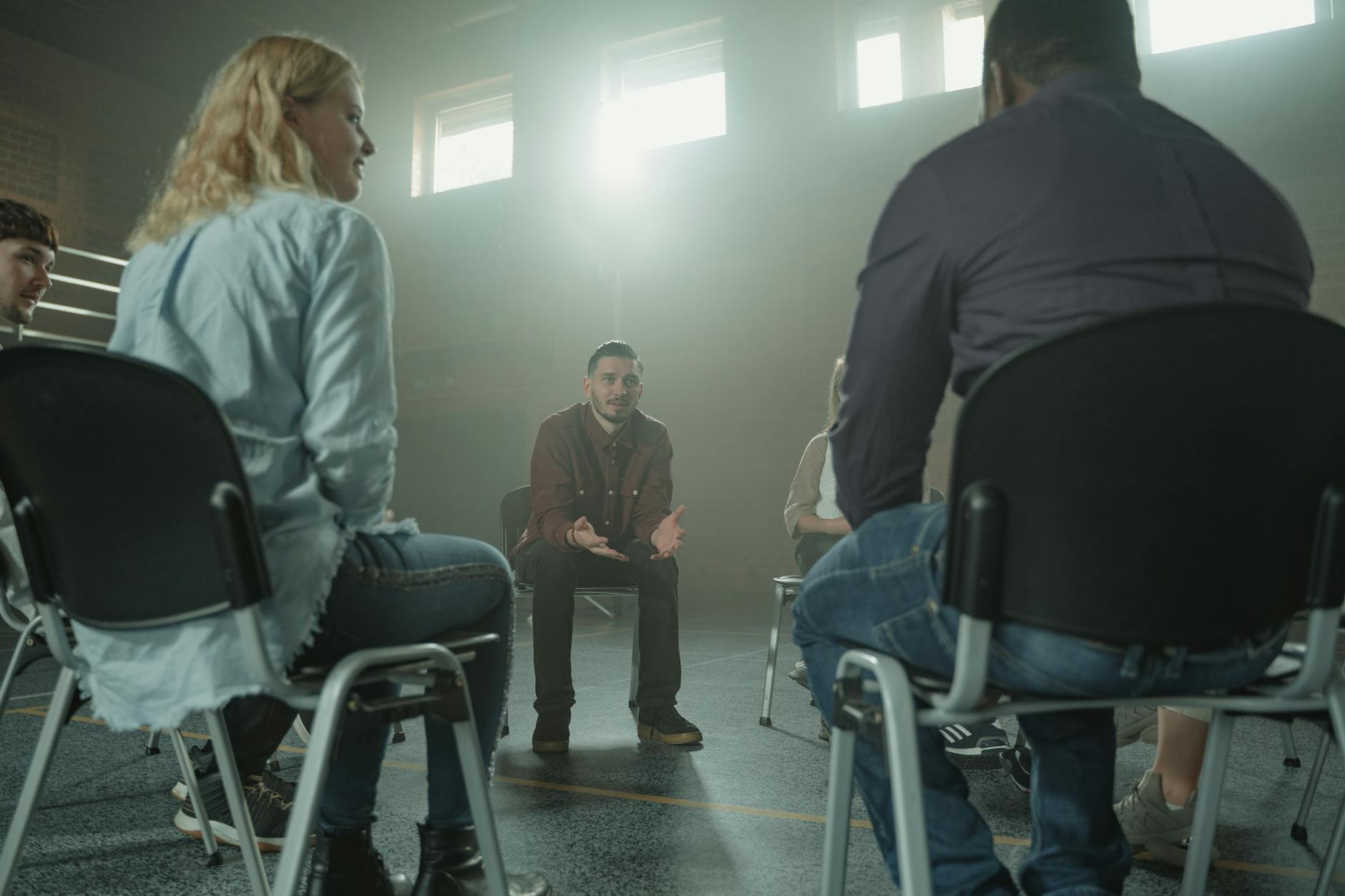
Effective support networks include multiple types of relationships, each serving different needs. Peer support comes from others in recovery who truly understand the experience of addiction and the challenges of maintaining sobriety. These relationships provide understanding without judgment and practical guidance based on lived experience.
Professional support includes addiction counselors, therapists, medical providers, and case managers who offer clinical expertise and structured guidance. While peer support provides empathy and shared experience, professional support offers evidence-based interventions and accountability.
Family and friends who support your recovery provide emotional connection and practical assistance. However, not all pre-recovery relationships are healthy or supportive of sobriety. Part of building an effective network involves evaluating existing relationships and setting boundaries with those who might undermine recovery.
12-Step and Mutual Aid Groups
Twelve-step programs like Alcoholics Anonymous and Narcotics Anonymous have helped millions achieve and maintain sobriety. These programs provide structured peer support through regular meetings, sponsorship relationships, and working the steps of recovery. The fellowship of 12-step groups offers immediate community for those entering recovery.
For those who prefer alternatives to 12-step approaches, organizations like SMART Recovery, Refuge Recovery, and LifeRing offer different philosophical frameworks while still emphasizing mutual support. The key is finding a community where you feel comfortable and supported, regardless of the specific program.
In Nampa and the greater Treasure Valley area, numerous meeting options exist across different programs and times. Hope House helps residents connect with local recovery communities and find meetings that fit their schedules and preferences.
The Role of Recovery Housing
Recovery housing, also called sober living, provides more than just a substance-free place to live. These environments create intentional communities where residents support each other’s recovery while developing life skills and transitioning toward independent living. The structured environment includes accountability measures like drug testing and meeting attendance requirements.
Living with others in recovery normalizes the challenges of early sobriety. When cravings strike at 2 AM, there’s someone to talk to. When job hunting feels overwhelming, there’s someone who’s been through it. When celebrating milestones, there’s a community that genuinely understands their significance.
The Substance Abuse and Mental Health Services Administration recognizes recovery housing as an important component of the continuum of care for substance use disorders. Quality recovery housing provides the stability and support that many people need during the vulnerable early months of sobriety.
Building Healthy Relationships
Recovery often requires learning to build relationships differently than in the past. Active addiction damages interpersonal skills and creates patterns of manipulation, isolation, or codependency. Developing healthy relationships in recovery means learning to communicate honestly, set appropriate boundaries, and show up authentically.
Early recovery isn’t the ideal time to pursue romantic relationships. The emotional intensity of new romance can distract from recovery work, and relationship problems can trigger relapse. Most recovery professionals recommend focusing on platonic relationships and personal growth during the first year of sobriety.
Family relationships often require repair and rebuilding. Family therapy and education programs help loved ones understand addiction as a disease and learn to support recovery effectively. Patience is essential—rebuilding trust takes time, and not all family relationships can or should be restored.
Digital Communities and Remote Support
Technology has expanded support network possibilities beyond geographic limitations. Online meetings, recovery-focused social media groups, and smartphone apps provide connection opportunities around the clock. These digital resources are particularly valuable for those in rural areas, with transportation challenges, or needing support during off-hours.
However, digital connection shouldn’t entirely replace in-person relationships. Face-to-face interaction provides benefits that screens cannot replicate. The ideal support network combines digital resources with real-world connections, using technology to supplement rather than substitute for human contact.
Maintaining Your Network Long-Term
Support networks require ongoing maintenance. Relationships need nurturing through regular contact, mutual support, and genuine interest in others’ well-being. As recovery progresses, your role shifts from primarily receiving support to increasingly providing it to others newer in their journey.
Service to others in recovery strengthens your own sobriety while expanding your network. Sponsoring newcomers, volunteering at meetings, and participating in recovery community events creates meaningful connections while reinforcing your commitment to the principles that support long-term recovery.
If you’re seeking recovery or looking to strengthen your support network, contact Hope House to learn about their structured living environment and community-based approach to recovery in Nampa, Idaho.