Understanding the Disease of Addiction
Education removes stigma, builds compassion, and equips families with the knowledge they need to support lasting recovery.
What Every Family Needs to Know
For generations, addiction was viewed as a moral failure—a lack of willpower, discipline, or character. Families carried the weight of shame, and those struggling with substance use were told they simply needed to try harder. This misunderstanding caused immeasurable harm, driving people away from help and deeper into isolation.
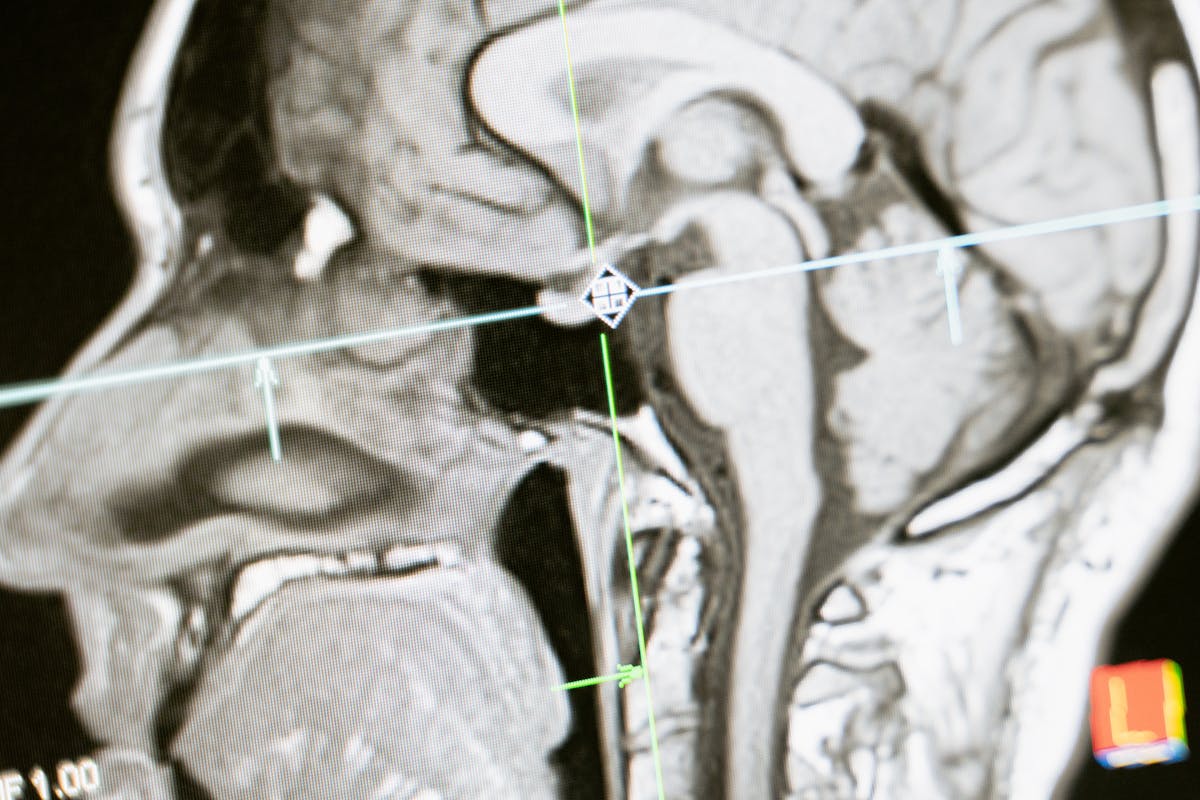
Modern neuroscience has fundamentally changed our understanding. Decades of research have shown that addiction is a chronic brain disease—one that alters neural pathways, hijacks the reward system, and profoundly changes decision-making. When families understand the science behind addiction, they move from blame to compassion, from confusion to clarity, and from helplessness to informed action.
Addiction as a Brain Disease
The American Society of Addiction Medicine (ASAM) defines addiction as a treatable, chronic medical disease involving complex interactions among brain circuits, genetics, the environment, and an individual’s life experiences. People with addiction use substances or engage in behaviors that become compulsive and often continue despite harmful consequences.
When a person repeatedly uses substances, the brain’s reward system is fundamentally altered. Dopamine pathways are rewired so that the substance becomes the primary source of pleasure and motivation. Over time, the prefrontal cortex—the region responsible for judgment, impulse control, and decision-making—loses its ability to override the compulsion to use.
This is why addiction looks like a choice from the outside but feels like a compulsion from within. The individual’s brain has been physically changed, making it extraordinarily difficult to stop without structured support, treatment, and time for healing.
Understanding this distinction is critical. It does not excuse harmful behavior, but it explains why your loved one could not simply stop.
The Stages of Addiction
Experimentation
The first encounter with a substance, often driven by curiosity, peer influence, or a desire to cope with stress. At this stage, use is voluntary and infrequent, and the person feels fully in control.
Regular Use
Use becomes a pattern—weekend drinking, daily use after work, or consistent use in social settings. The brain begins adapting to the substance, and the person starts relying on it for relaxation, confidence, or emotional regulation.
Risky Use
Consequences begin to appear—missed obligations, strained relationships, legal issues, or health problems—yet use continues. The person may begin hiding how much or how often they use, and early signs of tolerance develop.
Dependence
The body and brain now require the substance to function normally. Without it, withdrawal symptoms emerge—anxiety, insomnia, nausea, irritability, or worse. The person uses not to feel good, but to avoid feeling bad.
Addiction
Compulsive use despite devastating consequences. The brain’s reward and decision-making systems have been fundamentally altered. Recovery is possible, but it requires comprehensive treatment, structured support, and sustained effort over time.
Why Families Need This Education
When families understand the disease model of addiction, everything changes.
Shame Decreases
When families learn that addiction is a disease rather than a moral failing, the burden of shame begins to lift—for the person in recovery and for the family. This shift creates space for honest conversation, vulnerability, and healing.
Better Responses Develop
Education replaces reactive, fear-driven responses with informed, intentional ones. Families learn to set healthy boundaries, avoid enabling, and communicate in ways that support recovery rather than inadvertently undermining it.
The Right Help Is Sought
Families who understand addiction as a disease seek appropriate, evidence-based treatment rather than quick fixes. They recognize that recovery requires time, structure, and professional support—and they know what to look for in a program.
Relapse Is Not Failure
One of the most important things families can learn is that relapse does not mean treatment has failed. Addiction has relapse rates comparable to other chronic diseases such as hypertension, diabetes, and asthma—between 40 and 60 percent.
Just as a person with diabetes may need to adjust their treatment plan after a setback, a person in recovery may need additional support, a different approach, or a more structured environment. Relapse is a signal to reassess and strengthen the recovery plan—not a reason to give up hope.
The Role of Co-occurring Conditions
Many individuals struggling with addiction also face co-occurring mental health conditions—a reality known as dual diagnosis. Depression, anxiety, PTSD, and other disorders frequently coexist with substance use, and each condition can fuel the other. A person may drink to quiet anxiety, or use stimulants to combat depression, creating a cycle that is extremely difficult to break without addressing both issues simultaneously.
For families, understanding dual diagnosis is essential. It explains why some recovery journeys are more complex and why comprehensive assessment matters. Effective programs screen for co-occurring conditions and ensure that mental health treatment is integrated into the recovery plan—not treated as an afterthought. When both the addiction and the underlying mental health condition are addressed together, the chances of sustained recovery improve significantly.
Educate Yourself, Empower Your Family
At Hope House, we believe education is the foundation of lasting recovery. When families understand what addiction truly is—and what it is not—they become powerful allies in their loved one’s journey. Learn more about our structured living program for men in Nampa, Idaho, and discover how we support both residents and their families.